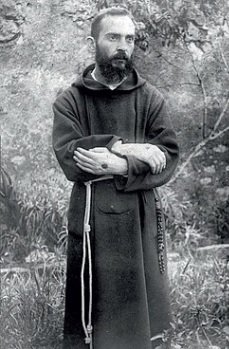
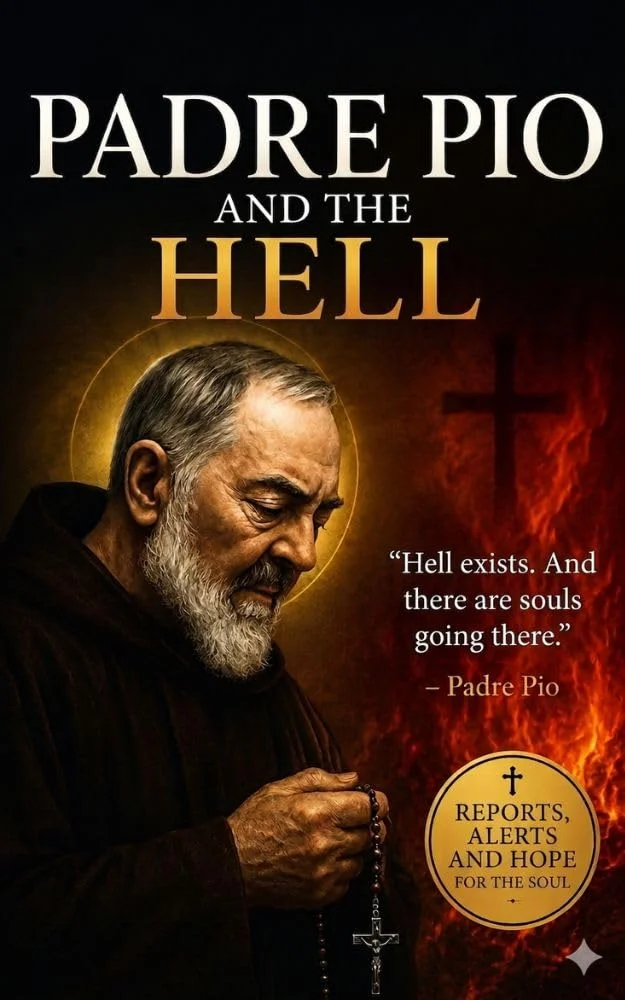
Few saints in the history of the Catholic Church embody the mysteries of prayer and human pain as intensely as Saint Padre Pio of Pietrelcina (1887–1898). Carrying the stigmata—the visible wounds of Christ—for fifty years, his daily life was a living altar of physical torment and spiritual joy. Yet, when faced with overwhelming trials, Padre Pio did not despair; he transformed his wounds into a powerhouse of grace for the entire world. In a culture that flees from discomfort and views pain as meaningless, Padre Pio stands as a monumental witness to a radical Christian truth: suffering, when united to Christ in prayer, becomes a supernatural key that unlocks divine mercy.
Pain is unavoidable, but useless suffering is a tragedy born from a lack of faith.
Whether you are carrying a heavy cross of physical illness, emotional grief, family hardship, or spiritual dryness, the life and spiritual direction of Padre Pio offer a transformative blueprint. By learning to pray with unshakeable confidence and offer your daily trials for the salvation of souls, you can discover profound purpose in the midst of your hardest battles. In this comprehensive guide, rooted in Sacred Scripture, Catholic Church doctrine, and the lived witness of Saint Pio, you will discover how to unlock the true power of prayer and redemptive suffering.
Table of Contents
- The Secret Dimension of Redemptive Suffering
- Sacred Scripture on Prayer, Trials, and the Cross
- Catholic Doctrine on Suffering and Grace
- Padre Pio: The Living Witness of the Wounded Healer
- 4 Steps to Transform Your Suffering Through Prayer
- Prayer to Padre Pio in Times of Trial and Pain
- Frequently Asked Questions
- Final Reflection
The Secret Dimension of Redemptive Suffering
Humanity goes to great lengths to eliminate discomfort, yet suffering remains an inescapable part of the mortal condition. The Catholic faith does not glorify pain for its own sake, but reveals its hidden value:
- Sterile Pain vs. Fruitful Offering: Suffering endured with bitterness, anger, or resentment hardens the heart and leads to spiritual exhaustion. However, suffering offered up in love becomes a channel of purification and intercession for others.
- The Co-Redemptive Vocation: Through Baptism, believers are united to the Mystical Body of Christ. When a Catholic offers up physical or emotional distress, Christ uses that sacrifice to pour grace into souls across the world.
- Prayer as the Engine of Endurance: Prayer is not a magic wand to escape trials, but the divine fuel that enables the soul to stand firm under the weight of the cross with peace and dignity.
Sacred Scripture on Prayer, Trials, and the Cross
The Bible repeatedly reveals that God uses trials to refine His children and that our sacrifices possess real spiritual power:
- Completing What is Lacking in Christ’s Afflictions: Saint Paul reveals the profound theology of redemptive pain: “Now I rejoice in my sufferings for your sake, and in my flesh I am filling up what is lacking in Christ’s afflictions for the sake of his body, that is, the church” (Colossians 1:24).
- The Refining Power of Trials: The Apostle Peter reminds us that hardship tests the purity of our trust: “In this you rejoice, though now for a little while, if necessary, you have been grieved by various trials, so that the tested genuineness of your faith… may be found to result in praise and glory and honor at the revelation of Jesus Christ” (1 Peter 1:6-7).
- Unceasing Vigilance in Prayer: Jesus instructs His followers to rely completely on prayer during times of weakness: “Watch and pray that you may not enter into temptation. The spirit indeed is willing, but the flesh is weak” (Matthew 26:41).
- The Lord Heals the Brokenhearted: The Psalmist offers eternal comfort to those in pain: “The Lord is near to the brokenhearted and saves the crushed in spirit” (Psalm 34:18).
Catholic Doctrine on Suffering and Grace
The Catholic Church provides clear guidance on how the faithful ought to understand human anguish and the efficacy of prayer:
- Participating in Christ’s Sacrifice: The Catechism of the Catholic Church (CCC) explains that suffering gains its value through Christ: “By his passion and death on the cross Christ has given a new meaning to suffering: it can henceforth configure us to him and unite us with his redemptive Passion” (CCC 1505).
- The Obligation and Gift of Intercession: Praying for others—especially while carrying a cross—is a vital aspect of the Communion of Saints (CCC 2635).
- The Role of the Sacraments: The Church offers the Sacrament of the Anointing of the Sick not merely for physical healing, but to grant the sufferer the spiritual strength, peace, and courage needed to fight illness and trial (CCC 1520).
Padre Pio: The Living Witness of the Wounded Healer
Padre Pio did not merely preach about the cross; he lived it every moment of his life. From the constant bleeding of his hands, feet, and side to the intense spiritual attacks he endured, his existence was a living testament to divine love.
Key aspects of his spiritual direction include:
1. “Pray, Hope, and Don’t Worry”
Padre Pio’s most famous instruction encapsulates the essence of Christian trust. He warned that anxiety disrupts the soul’s ability to hear God and urged believers to place all their concerns into the Sacred Heart of Jesus.
2. The Rosary as the Weapon
Padre Pio referred to the Holy Rosary simply as “The Weapon.” He spent hours every day reciting the Rosary, teaching that contemplation of Christ’s mysteries through Mary’s hands is the most effective defense against despair.
3. Love for the Cross
Padre Pio famously remarked: “If you knew the value of suffering, you would ask for it.” He viewed his physical pain not as a curse, but as a privileged gift allowing him to comfort Christ and ransom sinners from hell.
4 Steps to Transform Your Suffering Through Prayer
If you are currently going through a severe trial, apply these practical steps from Padre Pio’s spirituality:
1. Make a Daily Act of Oblation (“Offer It Up”)
Every morning, consciously dedicate your pain, fatigue, headaches, or emotional heartaches to God. Pray a simple prayer: “Jesus, I offer this pain for the conversion of sinners, for my family, and for those who have no one to pray for them.”
2. Anchor Yourself to the Holy Sacrifice of the Mass
During the Offertory at Holy Mass, mentally place your personal cross upon the altar alongside the bread and wine. Allow your personal trial to be consecrated and united with Christ’s perfect sacrifice.
3. Guard Your Mind Against Worry
Whenever thoughts of fear or future dread flood your mind, interrupt them immediately with Padre Pio’s favorite ejaculation: “Jesus, I trust in You!” Focus only on carrying the grace provided for today.
4. Seek Solace in Adoration and the Rosary
Spend quiet time before the Blessed Sacrament. When you lack the energy for long spoken prayers, simply hold your Rosary beads and rest in the presence of Jesus, letting your silent endurance speak for you.
Prayer to Padre Pio in Times of Trial and Pain
Beloved Saint Padre Pio, bearer of the sacred stigmata and faithful friend to all who suffer, I come to you burdened by the weight of my current cross [mention your specific intention or trial].
You knew the agony of physical pain, the sting of misunderstanding, and the burden of spiritual darkness, yet you never lost your trust in God’s infinite goodness. Intercede for me before the throne of the Almighty.
Obtain for me the grace to accept my trials with patience and to unite my suffering to the Passion of Our Lord Jesus Christ. Fill my heart with the courage to pray without ceasing, to hope without doubting, and to cast away all useless anxiety.
Help me to remember that my pain is not wasted, but can become a source of healing and redemption for many souls. Padre Pio, stand by my side, shield me from despair, and guide my steps toward eternal peace. Amen.
Frequently Asked Questions
Does God send suffering to punish us for our past sins?
While sin brings natural painful consequences, God does not maliciously inflict disease or tragedy as mere punishment. Rather, in His divine providence, God allows suffering in a fallen world and uses it as a tool to purify our love, build virtue, and draw our souls closer to Him.
How can I pray when my pain is so severe that I cannot concentrate?
God does not require eloquent words during times of intense physical or emotional distress. Simply offering your quiet endurance, holding a crucifix, or whispering the Holy Name of Jesus (“Jesus, mercy”) is a deeply powerful and acceptable form of prayer in the eyes of God.
Is it wrong to ask God to remove my suffering?
Not at all. Even Jesus prayed in the Garden of Gethsemane: “Father, if you are willing, remove this cup from me; nevertheless, not my will, but yours, be done” (Luke 22:42). It is completely natural to pray for relief, healing, and deliverance, provided we remain submissive to God’s ultimate plan.
Final Reflection
The true power of prayer and suffering lies in its ability to transform human weakness into divine strength.
As Padre Pio reminded us throughout his life, the cross is not a sign that God has abandoned you; it is a sign that He is drawing you intimate to Himself. Embrace your daily trials with faith, cling to the Holy Rosary, and trust that the shadows of today will give way to the eternal light of Christ’s resurrection.
About the Author
Wander Venerio Cardoso de Freitas is a theologian, educator, and author of books on Catholic spirituality, the lives of the saints, and Christian formation. He is the founder of the portal O Senhor Te Dê a Paz (Saints Library), dedicated to evangelization through articles, books, and digital content.